Retatrutide is an investigational medication that has gained attention in ongoing research related to metabolic health, weight management, and cardiometabolic conditions.

While early data has generated interest among clinicians and patients alike, it is important to understand that retatrutide is not currently approved for general medical use and remains under clinical investigation.
This page is designed to help you understand how retatrutide treatment is being studied, what it may mean for future care, and what steps you can take now if you are interested in emerging therapies in this space. The goal is to provide clear, evidence-based information—without speculation or promotion—so you can make informed decisions and stay up to date as research evolves.
Retatrutide is a multi-receptor peptide therapy currently being studied for its potential effects on metabolic regulation. It belongs to a class of medications that interact with hormone pathways involved in appetite, glucose metabolism, and energy balance.
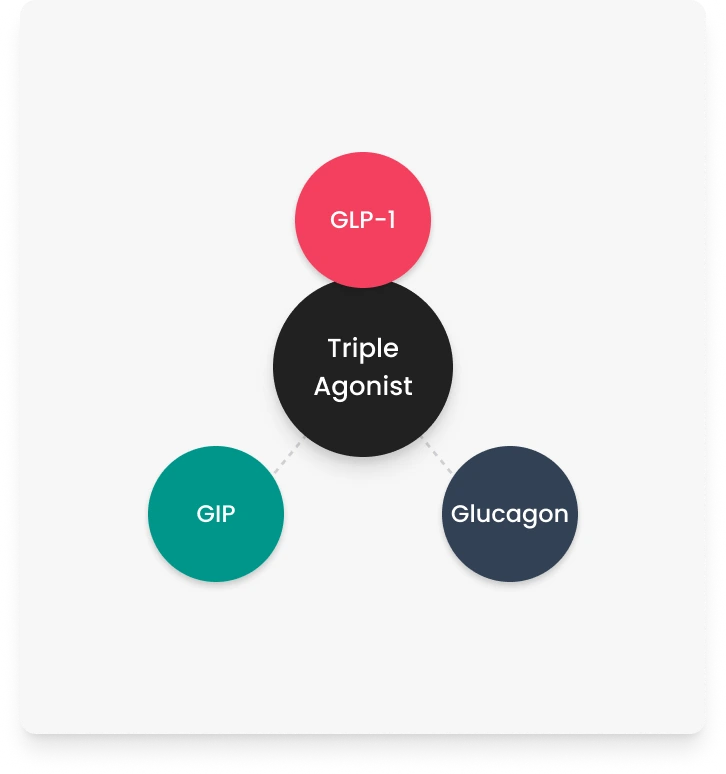
Retatrutide is often described as a triple agonist, meaning it is designed to activate three key receptors:
Each of these pathways plays a role in metabolic processes:
One of the primary areas of research is chronic weight management. Early-stage clinical trials have explored how retatrutide may affect body weight in individuals with overweight or obesity.
Current research suggests that multi-receptor therapies may influence appetite, satiety, and energy expenditure. However, outcomes vary across studies, and more data is needed to understand durability, safety, and real-world applicability.
Retatrutide is also being studied for its potential effects on blood sugar regulation. Because it interacts with pathways involved in insulin secretion and glucose metabolism, researchers are evaluating whether it may play a role in managing type 2 diabetes.
It is important to note that these studies are ongoing, and retatrutide is not currently approved as a treatment for diabetes.
Some trials are examining broader cardiometabolic outcomes, including:
These endpoints are complex and require long-term data. At this stage, any conclusions remain preliminary.
Retatrutide is still considered an investigational medication.
As of current knowledge:
Retatrutide has progressed through early and mid-stage clinical trials
Larger, longer-term studies are ongoings
Regulatory review has not yet been completed
If you are unfamiliar with how clinical trials work, you may want to review our Clinical Trials Overview page to better understand phases, eligibility, and participation considerations.
Our approach to emerging therapies like retatrutide is grounded in three principles:
We closely follow peer-reviewed research, clinical trial updates, and regulatory developments. We do not recommend or provide access to investigational medications outside of appropriate clinical and regulatory frameworks.
Safety remains the primary concern with any new therapy. Even when early data appears promising, long-term effects, rare side effects, and interactions must be thoroughly studied.
Many patients are interested in future treatment options. We support that interest by:
If you’re considering retatrutide as a future option, our guide on how to prepare for retatrutide outlines practical steps you can take now, including questions to discuss with your healthcare provider and ways to prepare before treatment is available.
Medical research evolves quickly. Following credible sources and reviewing updated clinical findings can help you stay current.
You may also find it helpful to explore related topics such as:
These pages provide context for how retatrutide fits into the broader landscape of metabolic care.
You can learn more on our How to Join a Clinical Trial page.

While retatrutide is an area of active research, it is important to approach the topic with appropriate caution.
Most available data comes from relatively short- to medium-term studies. Questions remain about:
No single therapy is universally effective.
Retatrutide has not received FDA approval for general use. Availability is limited to research settings, and timelines for potential approval remain uncertain.
Like other medications in its class, retatrutide may be associated with side effects. These are still being evaluated and may include gastrointestinal symptoms or other systemic effects.
The full safety profile is not yet established.
Another important consideration is what happens if you stop retatrutide after treatment.
No. Retatrutide is currently an investigational medication and is not available for general prescription use. It may only be accessed through approved clinical trials.
No. Retatrutide has not received FDA approval at this time. It is still undergoing clinical evaluation.
Retatrutide is designed to act on three receptors (GLP-1, GIP, and glucagon), whereas most currently available medications target one or two. This broader mechanism is being studied for its potential effects on metabolism, but more research is needed to understand its clinical significance.
At this time, retatrutide is not approved for weight loss or any other indication. If you are exploring weight management options, a healthcare provider can guide you through currently approved treatments.
Because retatrutide is still being studied, its full risk profile is not yet known. Early research suggests there may be side effects similar to other medications in its class, but long-term safety data is still limited.
You can stay informed by:
Checking our Retatrutide Research Updates page for summaries of new findings
Retatrutide is an emerging investigational therapy that is being studied for its potential role in metabolic health, weight management, and related conditions. While early research has generated interest, it is not currently approved or widely available, and important questions about safety, effectiveness, and long-term outcomes remain.
As research continues, we will update this site with accurate, evidence-based information to help you better understand where retatrutide may fit into the future of care.